
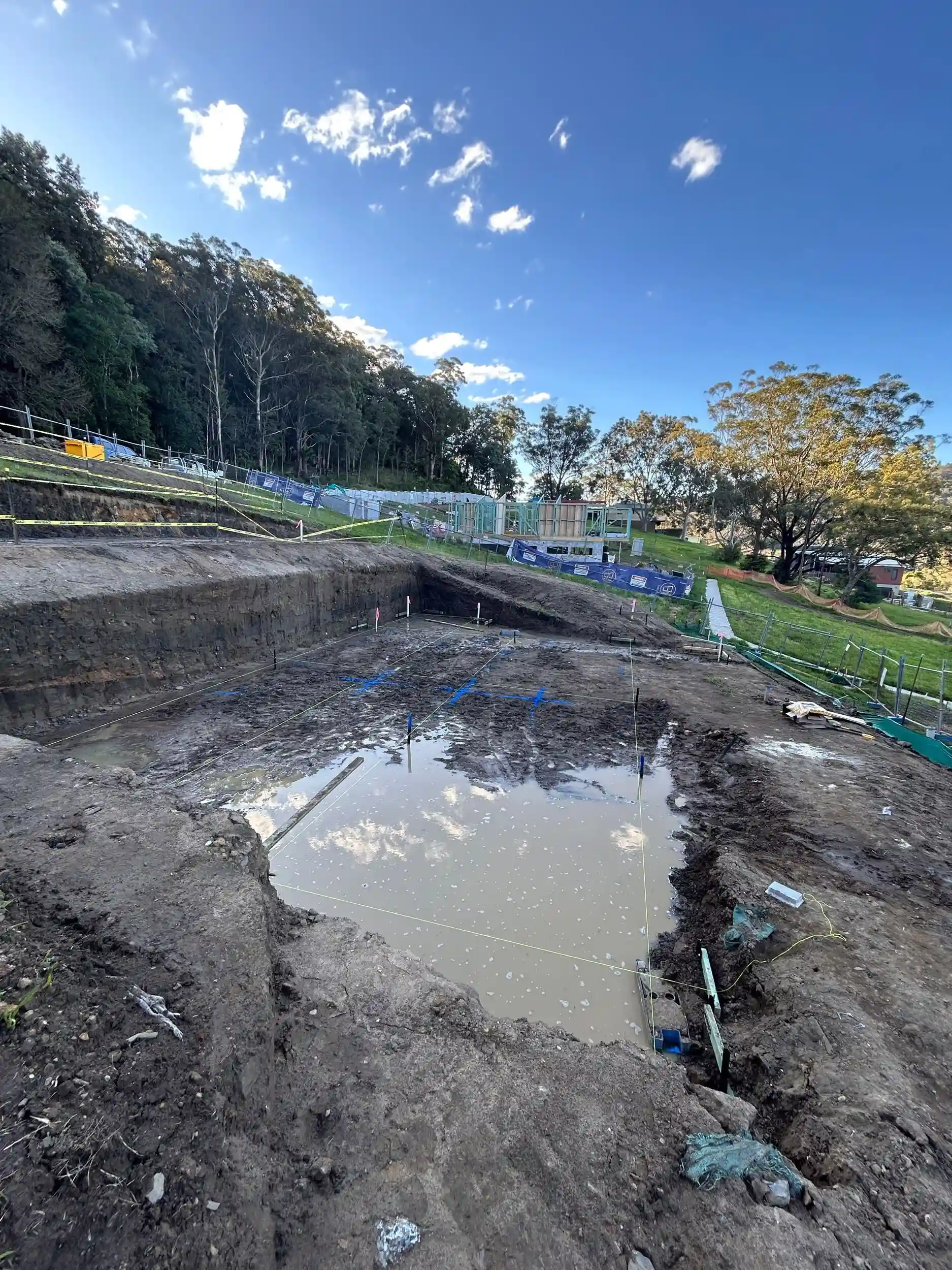
I was once pulled up on my prelims for having too many rain days allowed.
Too many.
It’s a common reaction. On paper, it can look like padding. From the outside, the assumption is simple: if it rains, just send the boys somewhere else, shuffle labour, throw up a few tarps and keep moving.
In theory, that sounds fine. In reality, it doesn’t work like that.
When it rains, the day doesn’t just disappear neatly. It creates friction across everything. You wake up to messages from site managers asking where labour should go. The morning turns into a juggling act trying to reshuffle crews, find productive work, and limit the damage.
That’s time, energy, and inefficiency before you’ve even stepped on site.
Then there’s the actual impact on the job. Rain slows everything down. Not just stops it. Slows it.
Tools get wet. Materials get damaged. Setups have to be pulled down and rebuilt. Work becomes stop-start, which is one of the most inefficient ways to operate.
Take something simple like cladding. You allow four days for two guys to clad one side of a house. Straightforward. But if weather interrupts that workflow and it stretches to six days, that’s not just lost time. That’s lost margin.
No one is paying extra for that delay. That loss comes straight out of the builder’s pocket. This is exactly why rain day allowances exist.
They’re not there to inflate a quote. They’re there to protect the job from variables that are completely outside your control. Without them, you’re slowly bleeding profit every time the weather turns.
And if you’re a smaller builder, doing renovations or tight-margin work, that bleed hurts. You don’t have the luxury of absorbing it. Every dollar counts.
So when I include rain day allowances in my prelims, I don’t see it as unreasonable. I see it as responsible. It’s part of delivering a job properly, without cutting corners later to make up for losses that should have been accounted for upfront.
If you’re a builder pricing work and you’re not allowing for weather, you’re gambling with your margin. And it might not hurt on one job. But over time, it will catch up with you.


